The Promise vs The Reality
Every major AI platform now offers a Klaviyo integration. Connect Claude or ChatGPT to your email account and you can ask questions about your campaigns, generate subject lines, and analyze performance data.
It feels like AI-powered email marketing. But it is not the same as an AI system that runs your email program.
The difference matters enormously — and understanding it is the first step toward actually capturing the revenue opportunity AI promises.
What General AI Does Well
Large language models are genuinely impressive at a narrow set of tasks. They can write compelling email copy. They can summarize campaign performance when you ask the right questions. They can suggest subject line variations and help you brainstorm promotional strategies.
These are real capabilities with real value. The problem is what they cannot do.
The Three Gaps General AI Cannot Close
Gap 1: Raw data is not actionable
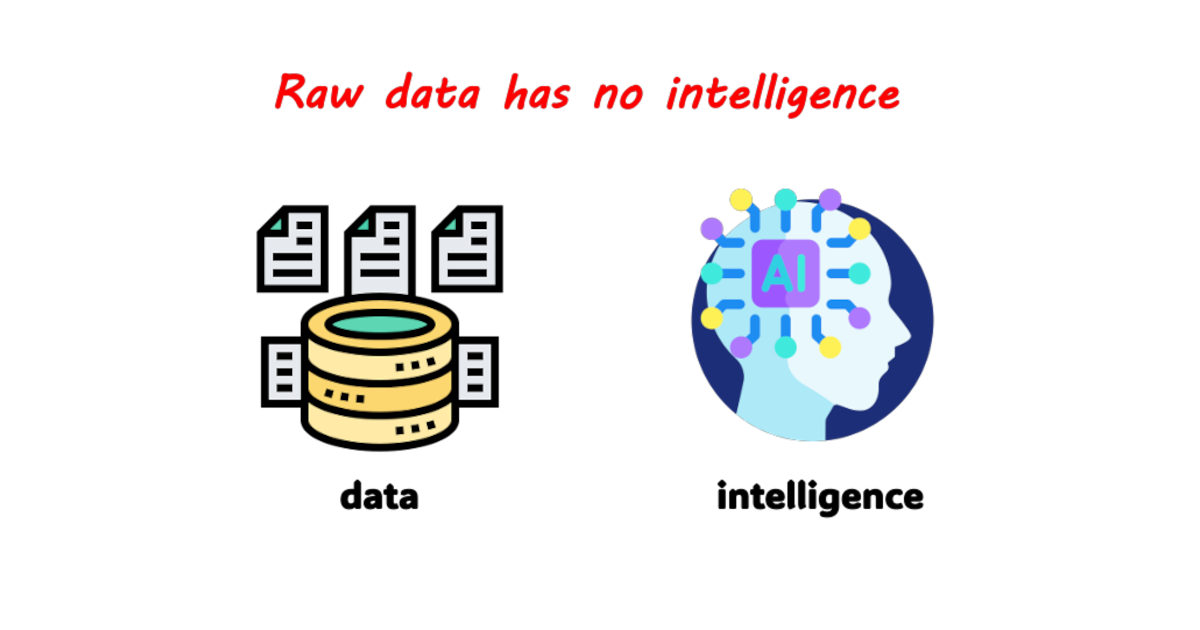
When you connect an AI assistant to Klaviyo, it gets access to raw data — clicks, opens, orders, and subscriber records. But raw data is not the same as business signals.
Before AI can act intelligently on your email program, that data needs to be transformed. Clickstream behavior needs to be sequenced into buying journey states. Revenue impact needs to be quantified per action. Product catalog data needs to be enriched with behavioral signals.
This transformation — what we call Signal Shaping — is what makes the difference between an AI that answers questions and an AI that acts with precision.
Gap 2: General AI does not know your business
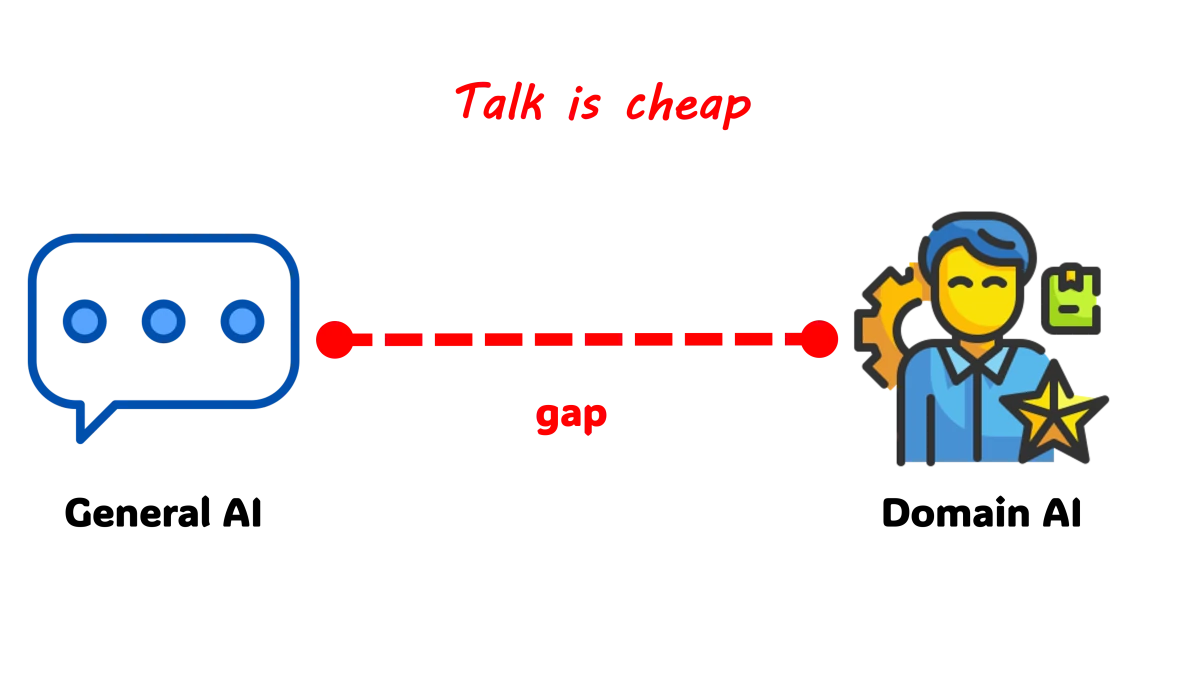
Claude and ChatGPT are trained on the internet. They know a great deal about email marketing in general. They do not know your product taxonomy, your revenue targets, your suppression rules, or what a high-value shopper looks like in your specific store.
What AI does not know, it fills with reasonable-sounding guesses. For writing content, that is acceptable. For making business decisions that affect your email program, it is a significant risk.
Domain Intelligence — the layer that embeds your business logic, rules, and decision frameworks into the AI system — is what separates a tool that generates answers from a system that makes reliable business decisions.
Gap 3: Prompts are not a system
The fundamental limitation of general AI assistants is that they are reactive. You ask, they respond. Your email program does not run on questions and answers.
Running a production email program requires continuous monitoring of lifecycle states, priority-based decisioning across your entire subscriber list, and coordinated execution across flows, campaigns, and agents — all happening automatically, around the clock.
No prompt-based AI can do this. It requires an orchestration layer purpose-built for the job.
What This Means for Your Program
The gap between an AI assistant connected to Klaviyo and a production-grade AI email system is not a small one. It is the difference between a powerful tool and a system that runs independently.
Email Pulse was built to close that gap. Signal Shaping transforms your raw data into actionable signals. Domain Intelligence embeds your business logic so decisions are grounded in your reality. Live Orchestration coordinates everything continuously without being asked.
The result is not AI you use. It is AI that works.