Most discussions about AI in email marketing begin with access. Connect Claude. Enable MCP. Retrieve campaigns and flows. Technically, it works. AI can see your data.
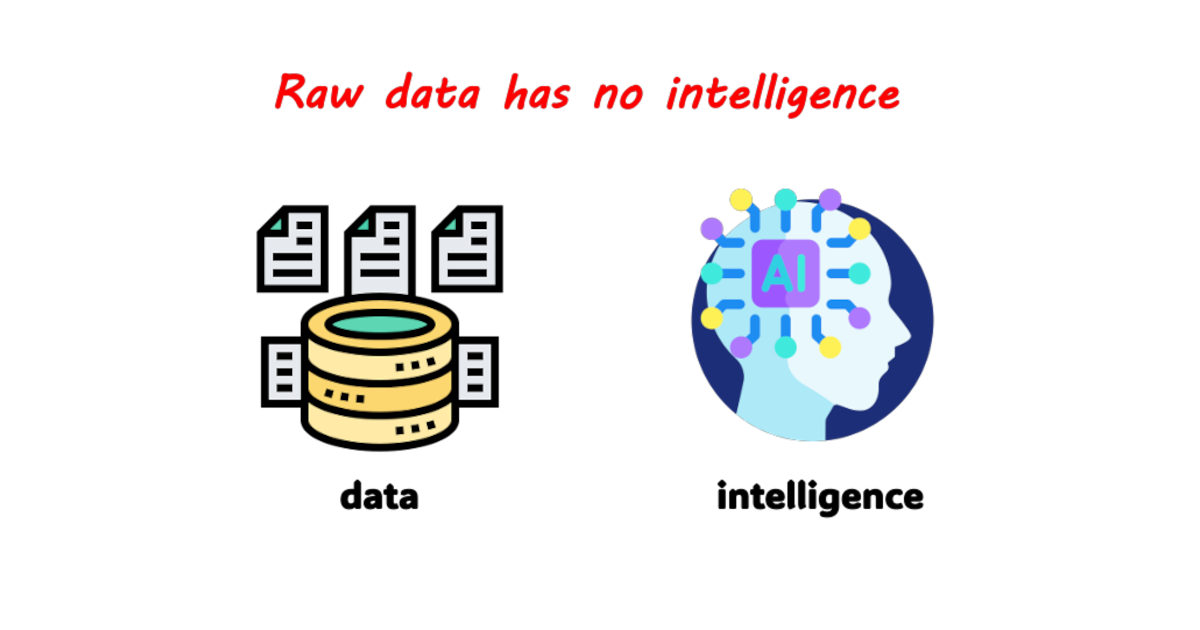
But visibility is not intelligence. Access answers questions. Intelligence defines decisions. That difference is where most AI initiatives stall.
What MCP Actually Provides
The Model Context Protocol allows large language models to retrieve structured objects, access metrics, and trigger predefined tools. It replaces traditional API calls with language-based retrieval. This lowers technical friction. It does not embed business logic.
MCP gives the model access to your data. It does not teach it how your business interprets that data.
Why Data Retrieval Isn’t Enough
When AI retrieves campaign metrics, it sees open rate, click rate, revenue, and conversion rate. But it does not inherently know what performance baseline matters, what threshold triggers intervention, what lifecycle stage influences results, or what margin makes performance acceptable.
Without modeling, interpretation becomes probabilistic. That leads to variability. And variability is the enemy of automation.
Intelligence Requires Structured Modeling
True intelligence requires defined baselines, lifecycle-aware scoring, incremental impact measurement, and guardrails around interpretation. This is where AI automation modeling becomes foundational.
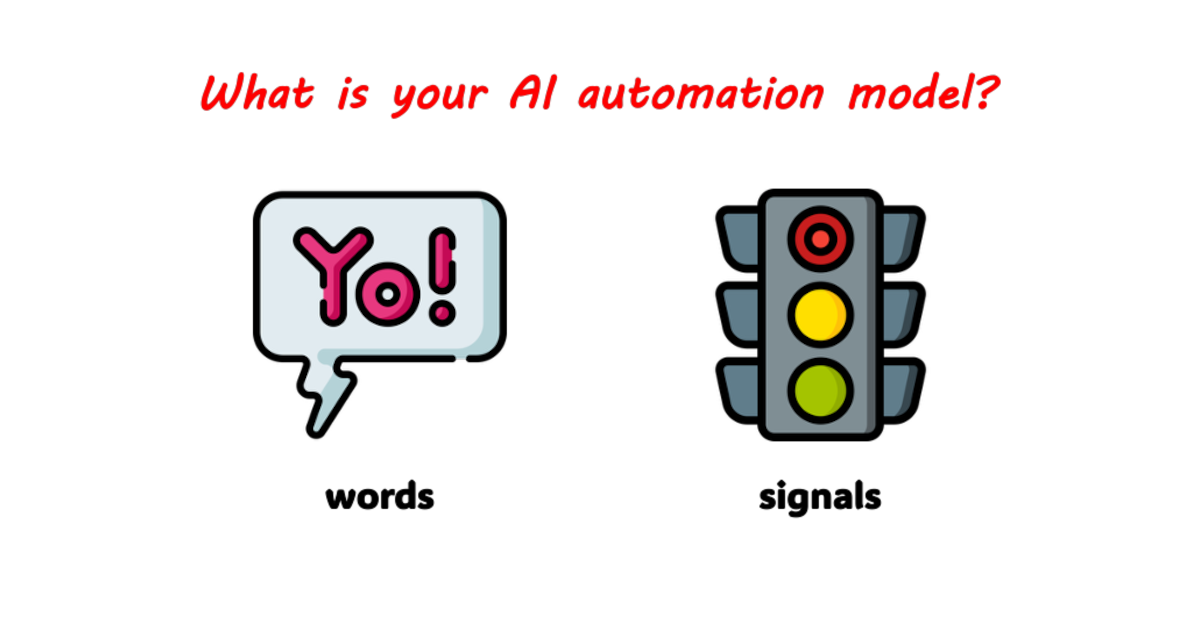
Access retrieves metrics. Modeling converts them into signals. Signals power automation. Without that conversion layer, AI remains a conversational tool — capable of explaining what it sees, but not capable of reliably deciding what to do about it.
From Access to System
The real transformation happens when access is combined with scientific scoring, signal standardization, automation rules, and governance controls. Without these layers, AI remains a conversational analyst. With them, it becomes a decision engine.
That is the difference between integration and AI decision-making systems that hold up under operational pressure.
Don’t stop at access. Connecting AI to your data is step one. Designing the intelligence layer is what makes automation reliable.
FAQs
What does MCP provide in AI integrations? MCP provides structured data access and tool execution but does not embed business logic or decision rules.
Why is data access not enough for AI automation? Because automation requires defined baselines, thresholds, and consistent interpretation rules. Data retrieval alone cannot provide that consistency.
What is the difference between access and intelligence? Access retrieves information. Intelligence defines how that information should drive decisions. One is input. The other is operating logic.
Why do AI interpretations vary without modeling? Large language models rely on language probabilities rather than business-specific rules. Without structured baselines, the same data can produce different conclusions depending on how the question is phrased.
What turns data into automation-ready signals? Structured modeling and scientific scoring convert raw metrics into standardized signals that automation systems can act on consistently.
Can MCP automate decisions on its own? No. MCP enables retrieval and action, but decision logic must be defined externally. MCP is the pipe. Modeling is the brain.
Why is structured scoring important? It ensures AI evaluates performance consistently across teams and environments. Two strategists asking the same question get the same signal — not two plausible-but-different answers.
Does AI inherently understand business baselines? No. Baselines must be defined within modeling frameworks. A large language model has no way of knowing what “good” looks like for your specific brand, lifecycle stage, or margin structure.
What is AI automation modeling? A framework that converts raw metrics into structured, decision-ready signals by applying baselines, lifecycle context, causal scoring, and interpretation standards.
How do you move from access to intelligence? By embedding domain knowledge, scoring logic, and automation rules into the system above the data layer — so AI operates within defined constraints rather than generating open-ended explanations.