A 22% open rate. Is it good? The answer depends entirely on context.
In acquisition, it might signal strong early engagement. In retention, it might indicate declining loyalty. In VIP, it could be a warning sign. The number is the same. The meaning is not.
Metrics Are Descriptive. Context Is Interpretive.
Most AI systems analyze metrics in isolation — open rate, click rate, revenue per recipient. But metrics do not carry their own meaning. Meaning emerges from lifecycle position.
In acquisition, lower conversion may be normal. In retention, lower conversion may signal churn. In VIP, even small engagement drops may indicate revenue risk. Without lifecycle awareness, interpretation becomes generic. Generic interpretation leads to generic automation.
Lifecycle Context Defines Performance
Email marketing operates across distinct stages: acquisition, activation, first-time purchase, repeat purchase, and VIP. Each stage has different expected engagement levels, revenue baselines, acceptable CAC, sensitivity to frequency, and margin tolerance.
A model trained on language does not inherently understand these distinctions. Lifecycle-aware AI automation modeling embeds this structure — ensuring AI evaluates every metric against the right stage-specific standard, not a global average.
Why the Same Metric Can Mislead AI
Consider click-through rate. In acquisition, a moderate click rate may signal healthy interest. In retention, the same rate may indicate declining engagement. In VIP, it may represent erosion of loyalty.
If AI evaluates performance without lifecycle segmentation, it may recommend increasing frequency in retention, offering discounts to VIP, or ignoring early-stage drop-off — all based on surface interpretation. That is not intelligent automation. That is context-blind analysis.
Lifecycle-Based AI Reasoning
Lifecycle-aware systems evaluate performance relative to stage-specific baselines, thresholds, and revenue expectations. This ensures automation logic adapts to context.
A 5% decline in engagement may trigger education in acquisition, win-back in retention, or personal outreach in VIP. The metric is identical. The response is not. That is the foundation of AI decision-making systems that actually drive the right action at the right time.
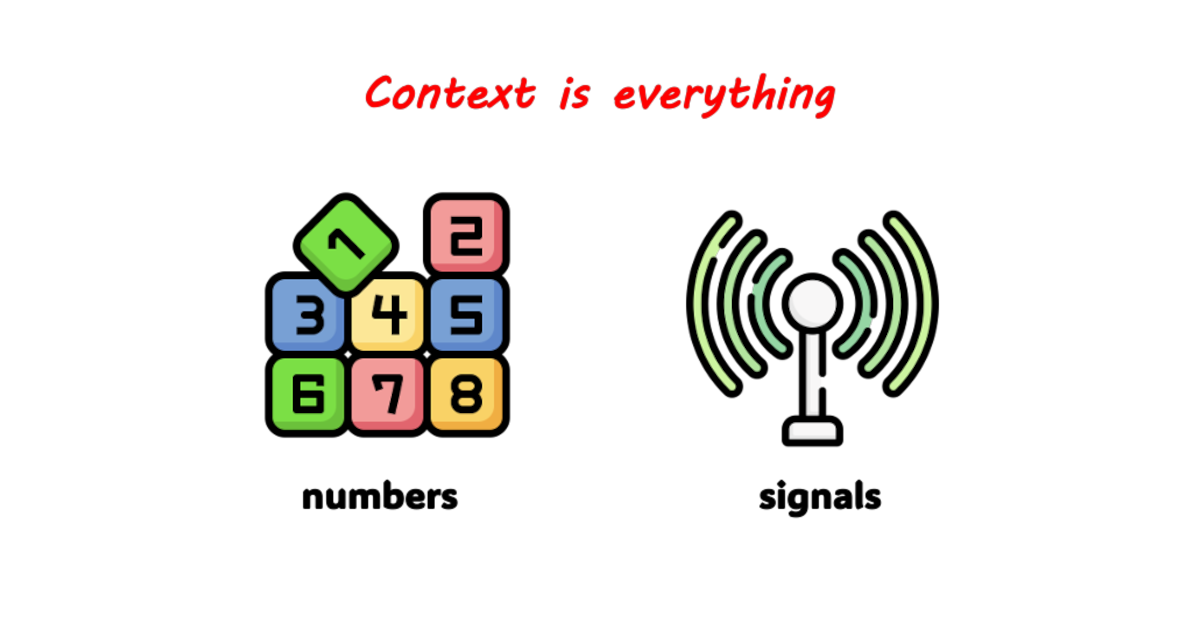
From Numbers to Signals
Metrics describe behavior. Lifecycle context transforms behavior into signals. Signals power automation.
Without context, AI optimizes for averages. With context, AI optimizes for stage-specific impact. That distinction defines whether AI drives growth or erodes value.
FAQs
Why does the same email metric mean different things across lifecycle stages? Because acquisition, retention, and VIP customers have different engagement baselines and revenue expectations, which changes how metrics should be interpreted. A 22% open rate that indicates healthy interest in acquisition may signal declining loyalty in a VIP segment.
What is lifecycle-based AI reasoning? Lifecycle-based reasoning evaluates performance relative to stage-specific baselines and thresholds rather than global averages. It ensures AI interprets each metric in the context of where that customer is in their relationship with your brand.
Why can raw metrics mislead automation systems? Because metrics lack contextual meaning without lifecycle segmentation. The same number can indicate success or failure depending on the stage — without that context, automation fires on the wrong signals.
How does lifecycle modeling improve AI accuracy? It embeds stage-specific logic that prevents generic or misaligned recommendations. Instead of treating all customers the same, the system applies different thresholds and interventions based on lifecycle position.
What happens when AI ignores lifecycle context? It may recommend incorrect interventions — over-discounting VIP customers, increasing send frequency in already-fatigued retention segments, or failing to act on early-stage drop-off that would be easy to reverse.
Is lifecycle context important for single brands? Yes. Even within one organization, different customer segments require different performance interpretation. A brand with 50,000 contacts spans multiple lifecycle stages simultaneously, each requiring its own logic.
How does lifecycle modeling reduce automation risk? It ensures decisions are tied to stage-specific signals rather than global averages. Automation that fires based on lifecycle-aware signals is far less likely to produce harmful interventions.
Can lifecycle context improve retention performance? Yes. It helps detect early signs of disengagement within the retention stage specifically — and triggers appropriate responses before churn accelerates, rather than applying win-back logic that belongs to a different stage.
Why don’t LLMs inherently understand lifecycle? Because lifecycle dynamics are business-specific and must be modeled explicitly. A large language model trained on general text has no way of knowing your acquisition baseline, your VIP revenue threshold, or what a meaningful engagement drop looks like for your specific audience.
What turns metrics into lifecycle-aware signals? Structured modeling that encodes stage definitions, baselines, and thresholds for each lifecycle position. Once those definitions exist, raw metrics can be evaluated against them — producing consistent, context-aware signals that automation can act on reliably.