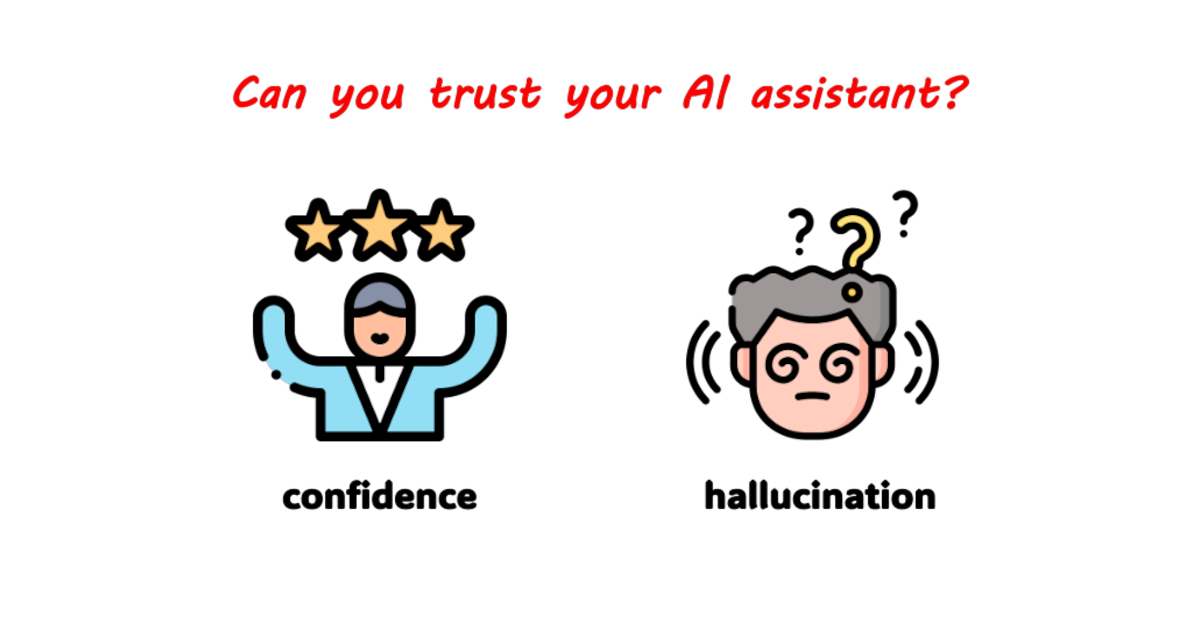
Large language models are trained to produce coherent language. They are optimized for plausibility. That is why AI responses feel confident, structured, and persuasive.
But confidence is not validation.
When AI analyzes marketing performance without embedded business rules, it generates the most statistically likely explanation based on patterns in language. It does not validate against your defined thresholds. That gap is where hallucinations become operational risk.
What Hallucination Actually Means in Business Context
In technical terms, hallucination means the model generates information not grounded in verified inputs. In business operations, it looks like this:
- Confident performance interpretation without baseline reference
- Improvement recommendations without causal validation
- Attribution conclusions without incremental comparison
- Automation suggestions based on surface metrics
The output sounds intelligent. But it may not be aligned with your operating logic.
Why Plausibility Is Dangerous in Automation
In reporting, plausibility is tolerable. In automation, it is not.
Automation requires defined baselines, clear thresholds, stable scoring, causal measurement, and guardrails around interpretation. Without structured AI automation modeling, decisions remain prompt-sensitive.
Prompt-sensitive systems drift. Drift compounds at scale. Every account that operates on variable AI interpretations introduces inconsistency — and inconsistency is what breaks automation at the moment it matters most.
Guardrails Create Stability
Structured systems reduce hallucination risk by converting metrics into standardized signals, embedding business-specific baselines, enforcing interpretation consistency, and restricting automation triggers to validated signals.
This transforms AI from generative to operational. That is the foundation of AI decision-making systems that can be trusted with real automation — not just analysis.
The Shift From Answers to Signals
Hallucinations occur when AI is asked to explain. Guardrails reduce hallucinations by limiting AI to structured signals.
Instead of asking: “Explain performance.”
The system asks: “Is incremental lift above threshold?”
That shift changes everything. AI success is not about better wording. It is about better constraints.
FAQs
What is AI hallucination in business applications? AI hallucination occurs when a model generates plausible but unverified interpretations not grounded in structured business rules. It sounds correct but may not align with your operating logic or performance standards.
Why are hallucinations risky in automation? Because automation requires precise, validated signals — not probabilistic explanations. A hallucinated interpretation that triggers an automation rule can cause real damage: misallocated budget, incorrect lifecycle interventions, or eroded confidence in AI systems.
Can modeling reduce hallucinations? Yes. Structured modeling embeds baselines and thresholds that constrain interpretation. Instead of generating open-ended explanations, the system evaluates performance against defined standards — reducing the space for plausible-but-wrong outputs.
Are confident AI answers reliable? Confidence does not guarantee correctness. Large language models are optimized to produce fluent, coherent responses. That fluency can mask misalignment with your actual business logic. Outputs must be grounded in defined performance standards to be trusted.
What creates guardrails in AI systems? Defined baselines, scoring frameworks, signal classification, and automation rules. Together they constrain what AI can conclude and ensure that outputs are evaluated against your specific business context rather than general language patterns.
Why does prompt-based AI drift? Because language framing influences interpretation when no structured logic anchors decisions. Different phrasing produces different conclusions from the same data. Over time, this variability compounds across teams and accounts.
Is hallucination the same as error? Not always. It often appears as plausible but contextually misaligned interpretation — an answer that sounds right but is grounded in statistical language patterns rather than your business reality.
How do signals reduce hallucination risk? Signals enforce binary or threshold-based evaluation rather than narrative explanation. Instead of asking AI to interpret, the system asks AI to classify — removing the space where hallucination typically occurs.
Can hallucination impact revenue decisions? Yes. Incorrect interpretation can lead to budget misallocation, premature optimization, or automation that fires on the wrong signals. The cost is rarely visible immediately but compounds over time.
What transforms generative AI into operational AI? Structured modeling and guardrail-based decision logic. When AI operates within defined constraints — scoring performance against baselines, classifying signals, and triggering automation only on validated inputs — it becomes reliable enough to operate autonomously.