AI assistants like Claude, ChatGPT, or Gemini can connect to a single Klaviyo account and deliver impressive results. Campaign summaries. Flow analysis. Performance insights. Automation triggers. Inside one account, it feels powerful.
But agencies do not operate in silos. They operate across 5, 10, 25, or 100 Klaviyo accounts. That is where the real scaling problem begins.
Single-Account AI Lives in a Silo
In a single brand environment, AI operates within one lifecycle structure, one revenue baseline, one engagement distribution, one attribution logic, and one prompt framework. Outputs are consistent because the environment is controlled.
This is why many teams assume AI scales easily. It does not.
Multi-Account Scaling Introduces Drift
When agencies deploy AI across multiple accounts, each account introduces variation: different lifecycle definitions, different customer behavior patterns, different revenue ceilings, different campaign cadences, and different data hygiene standards.
Without standardized modeling, AI interpretations shift per account. This creates operational drift. Drift is subtle at first. Then it compounds. Over time, campaign scoring, automation triggers, and performance interpretation become inconsistent across clients.
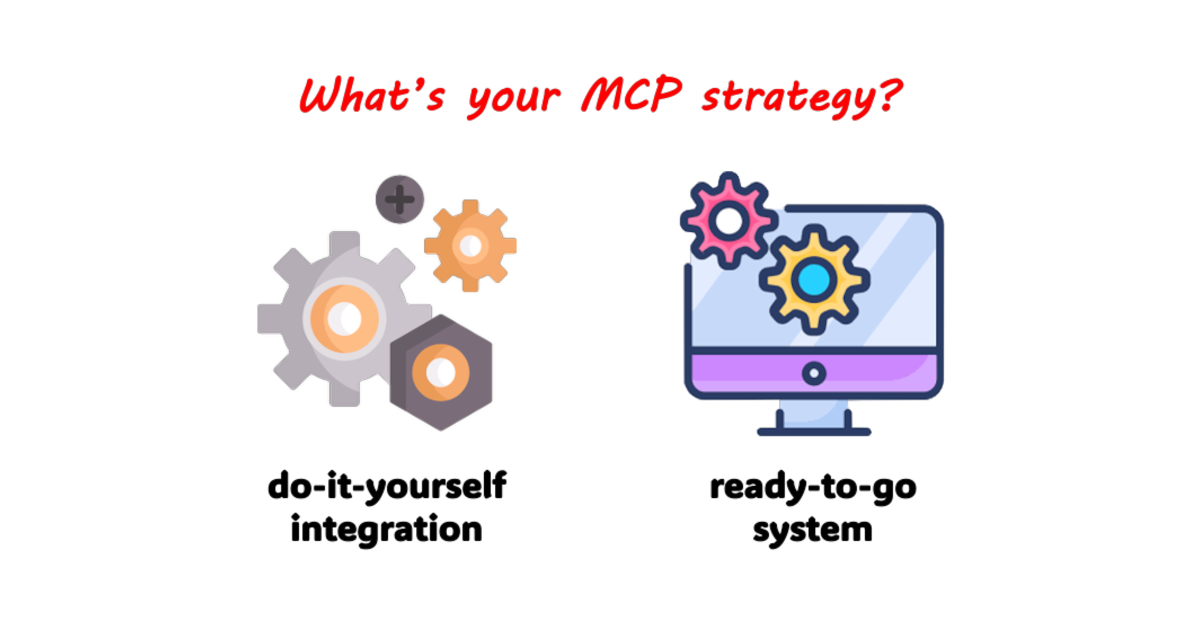
This is precisely why agencies need a structured AI automation modeling layer — not just raw MCP access.
Benchmarks Break First
Agencies often attempt to normalize performance across clients using industry benchmarks. But benchmarks blur context. A DTC apparel brand should not be compared to a subscription-based beauty company.
Without brand-specific incremental measurement, cross-account optimization becomes unreliable. Automation amplifies the error. Each account needs its own baseline — its own comparison of email-influenced customers versus those who were not influenced — before AI can reason about performance reliably.
Governance Complexity Multiplies
Beyond interpretation drift, agencies must manage credential isolation across accounts, role-based access control, token usage and cost attribution, prompt version management, and auditability of AI-triggered actions.
DIY AI setups rarely include structured governance. What works inside a sandbox becomes fragile in production. This is the hidden cost of scaling AI for agencies — and the reason Klaviyo AI Companion was built as a multi-account managed system from the ground up, not a single-account tool retrofitted for scale.
Infrastructure, Not Intelligence, Is the Constraint
The scaling challenge is not model capability. It is system consistency.
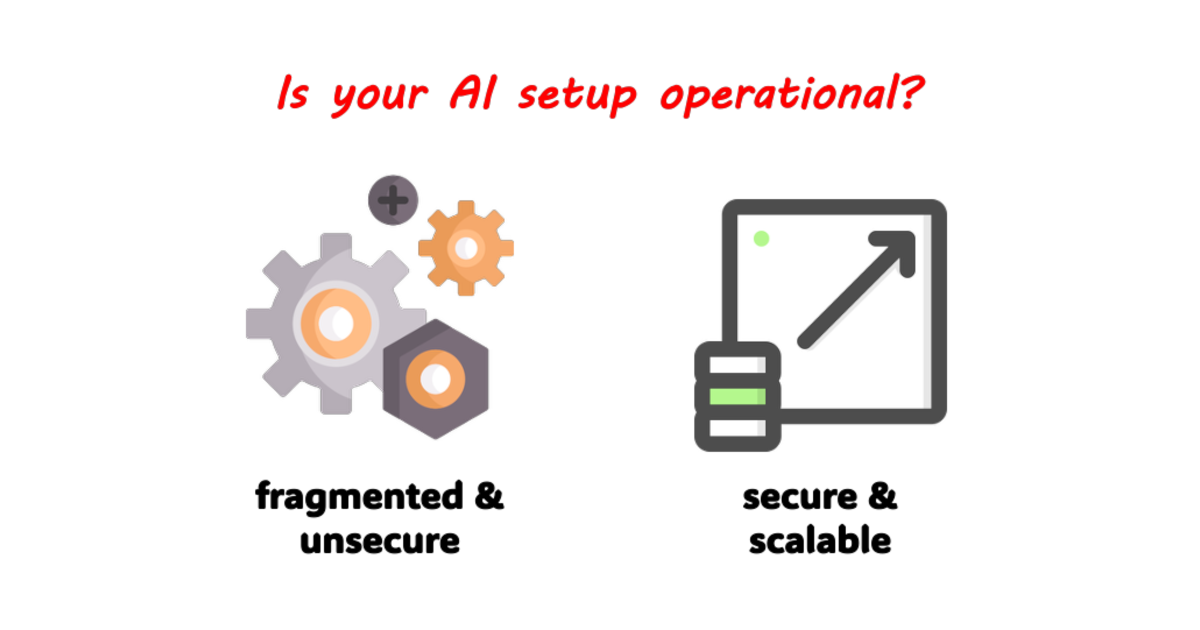
Agencies need unified scoring logic, standardized interpretation rules, comparable cross-account signals, embedded governance controls, and stable decision pathways. Without these elements, AI remains experimental. With them, AI becomes operational infrastructure.
That is the difference between integration and AI decision-making systems at agency scale.
From Silo to System
Connecting an AI assistant to Klaviyo is easy. Making AI outputs consistent across twenty clients is not. The difference is structure. Structure is what turns AI from an exciting feature into scalable agency infrastructure.
FAQs
Why is scaling AI across multiple Klaviyo accounts difficult? Each account has different lifecycle definitions, revenue baselines, and customer behavior patterns. Without standardized modeling, AI outputs drift across accounts, making cross-client comparisons unreliable.
What is AI drift in agencies? AI drift refers to inconsistencies in interpretation, scoring, or automation logic that occur when AI systems operate across varied account environments without unified modeling standards.
Why do benchmarks fail in multi-account environments? Benchmarks normalize surface metrics but ignore brand-specific baselines and incremental impact, leading to distorted cross-account comparisons that misguide optimization decisions.
What is AI automation modeling? AI automation modeling structures performance data into standardized classifications and thresholds that ensure consistent decision-making across accounts regardless of differences in account setup or data quality.
Why is governance critical when scaling AI? Agencies must manage credential security, access control, token usage, and auditability to maintain client trust and operational stability. Without governance, a single misconfigured account can create liability across the entire agency.
Can AI assistants scale without structured infrastructure? AI assistants can connect to multiple accounts, but without structured scoring and governance, consistency breaks down at scale. The interpretation drift becomes impossible to manage manually across dozens of clients.
What causes cross-account inconsistency in AI systems? Differences in lifecycle models, revenue baselines, data quality, and prompt configurations cause inconsistent AI outputs. Each variation compounds across accounts until the system produces fundamentally different conclusions from similar data.
How does uplift modeling support multi-account AI systems? Uplift modeling generates incremental signals that are comparable across accounts because they are always measured against each brand’s own customer baseline rather than external averages, reducing interpretation drift.
What is the difference between AI experimentation and AI infrastructure? Experimentation tests capabilities in a single controlled environment. Infrastructure enforces standardized scoring, interpretation, and governance across many environments simultaneously.
Why do agencies feel AI scaling challenges before brands? Agencies manage multiple environments simultaneously. Variability compounds across accounts, making consistency and governance critical from day one rather than a problem to solve later.